- Search
-
- What we do
![]()
- Work with us
- Investors
Search
Designed to assess real-world performance and guide smarter, lower-carbon decisions, the trial is already showing strong potential.
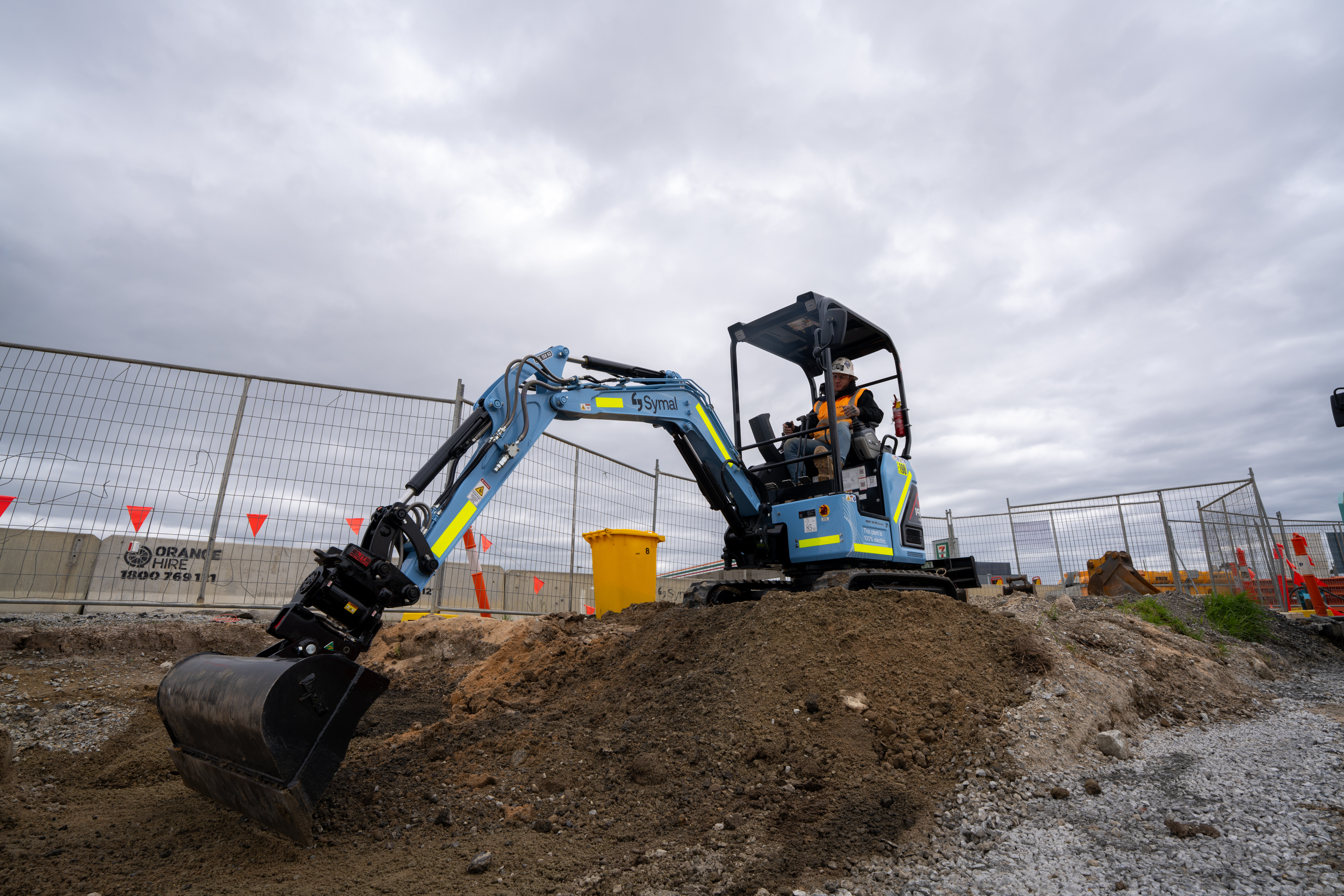
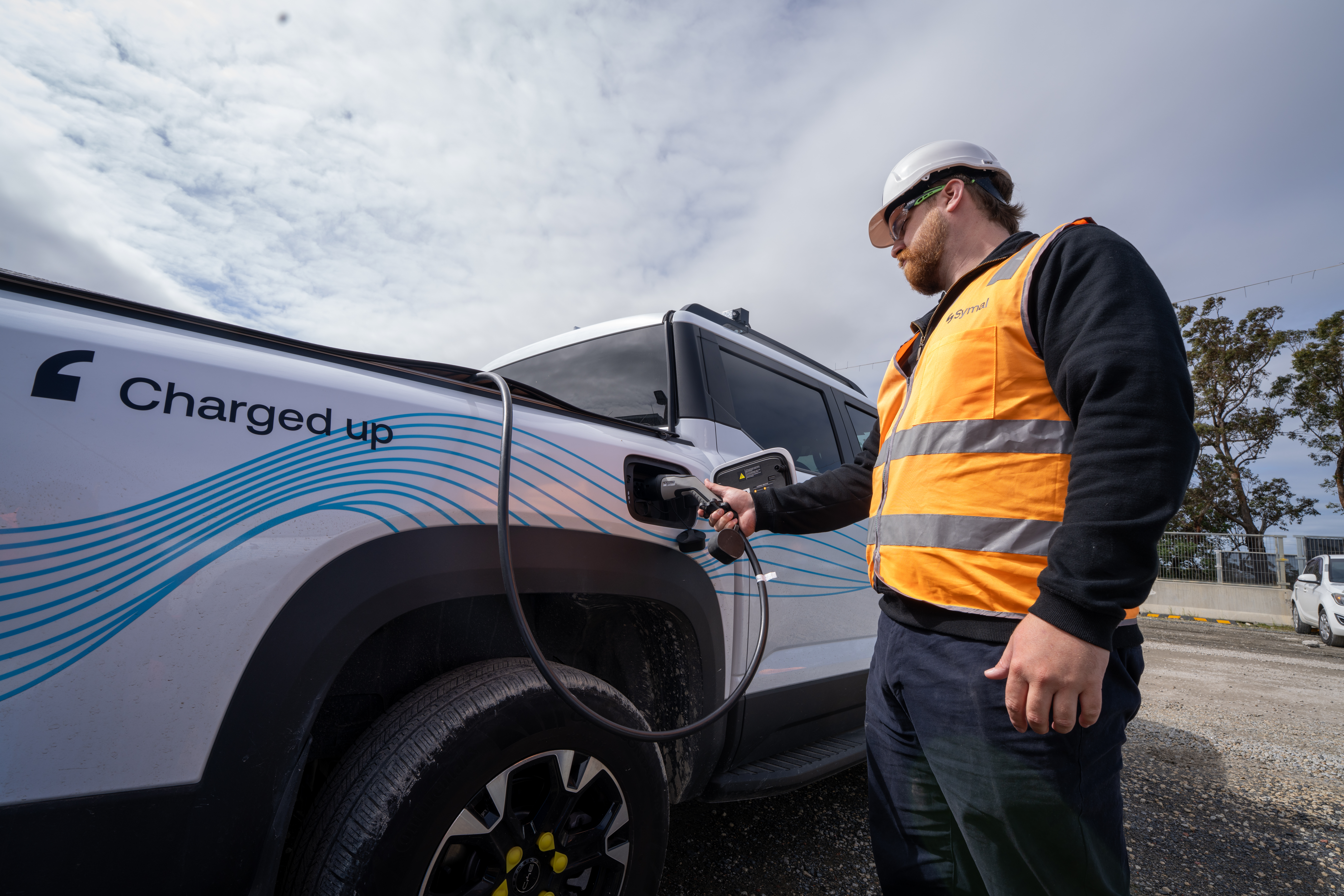
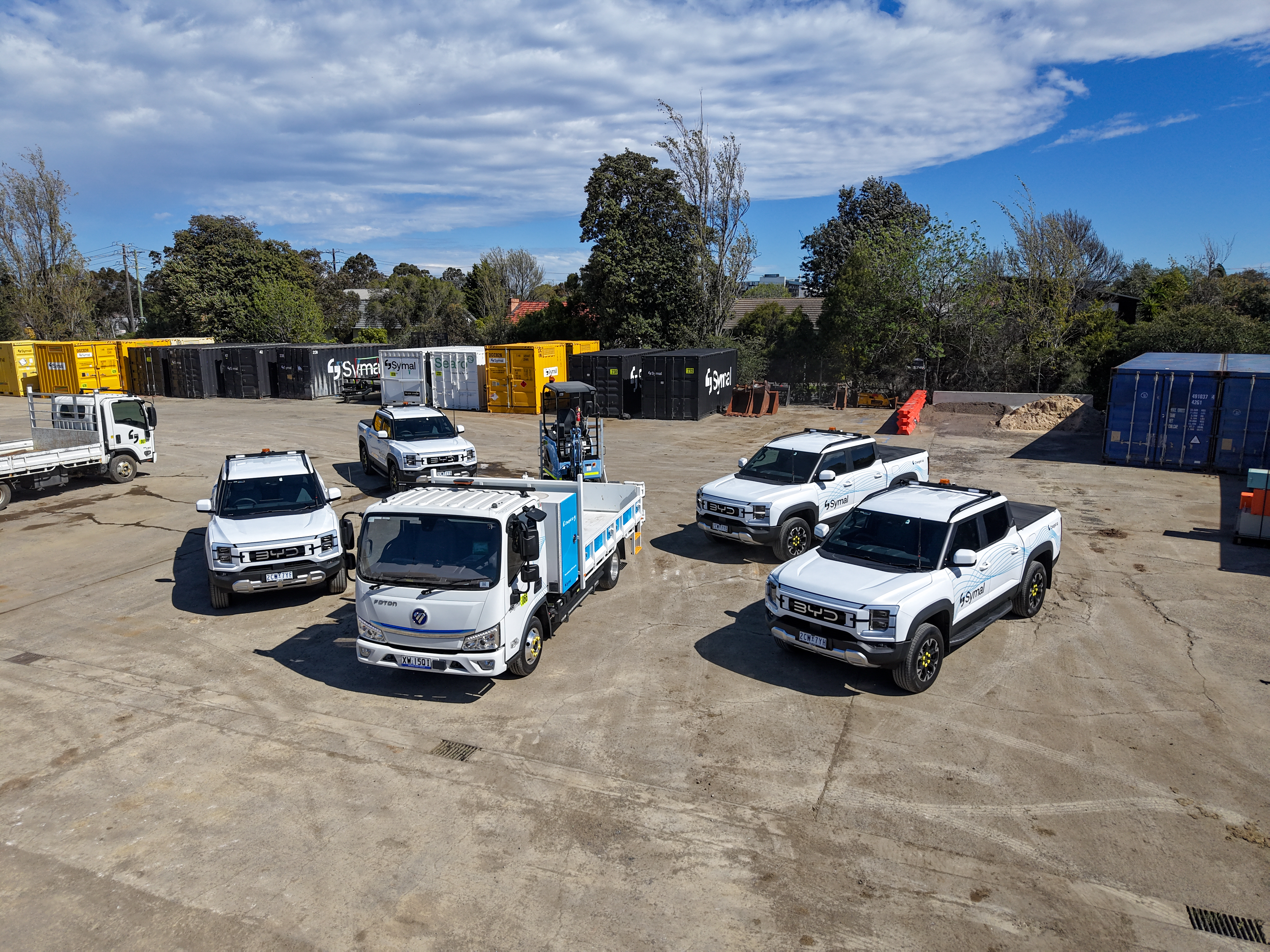
The pilot features an electric tip truck, an electric excavator, portable charging infrastructure and hybrid utes. Early modelling shows the electric plant alone could save more than ten tonnes of CO₂ a year — signalling the strong potential of scaling low-carbon equipment across our fleet.
Kris Bogdanovski, National Assets Manager, says the approach is intentional: “We’re not interested in technology for technology’s sake. We want solutions that genuinely work for our people and projects. Trials like this give us the data and confidence to understand where EV equipment can add real value.”
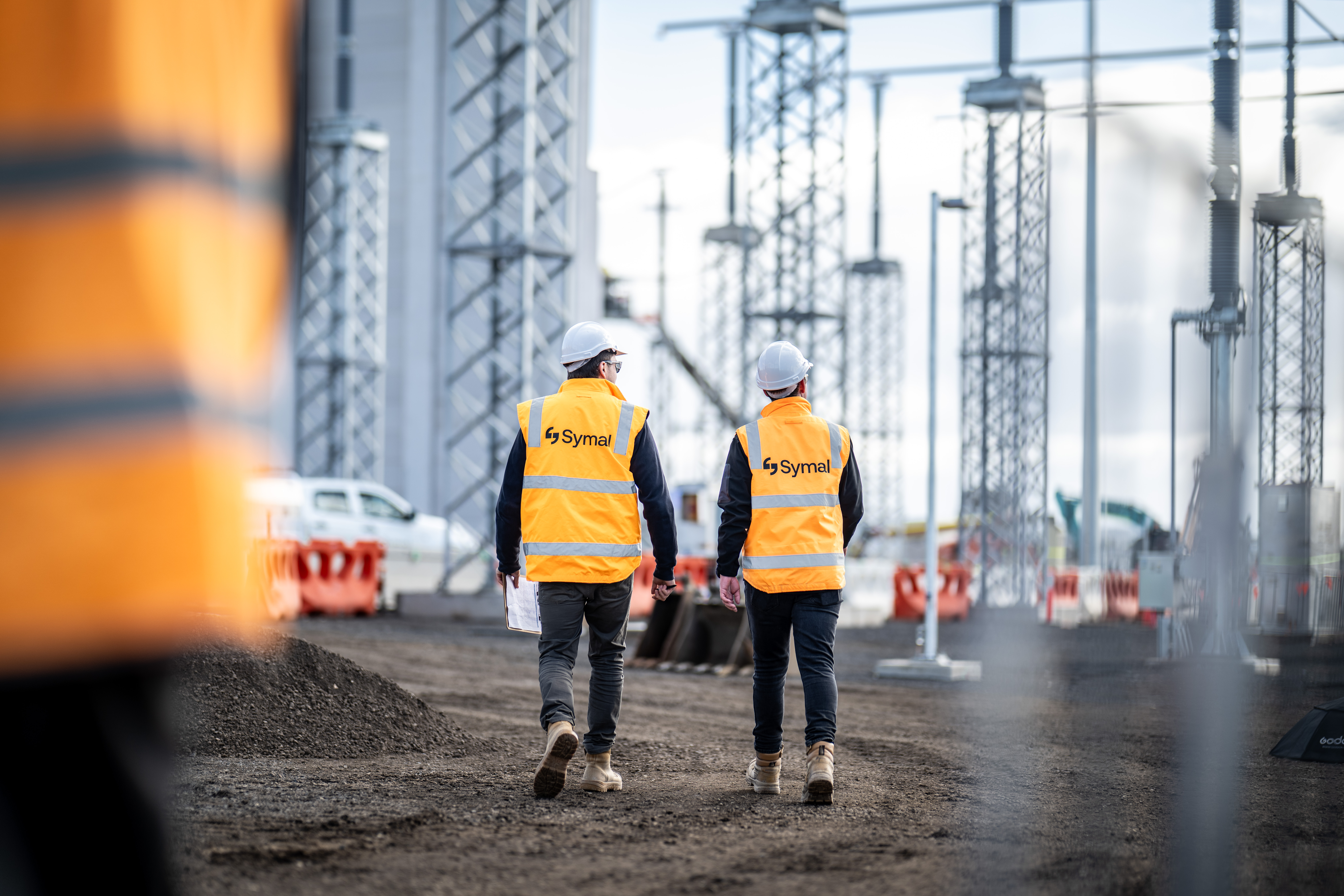
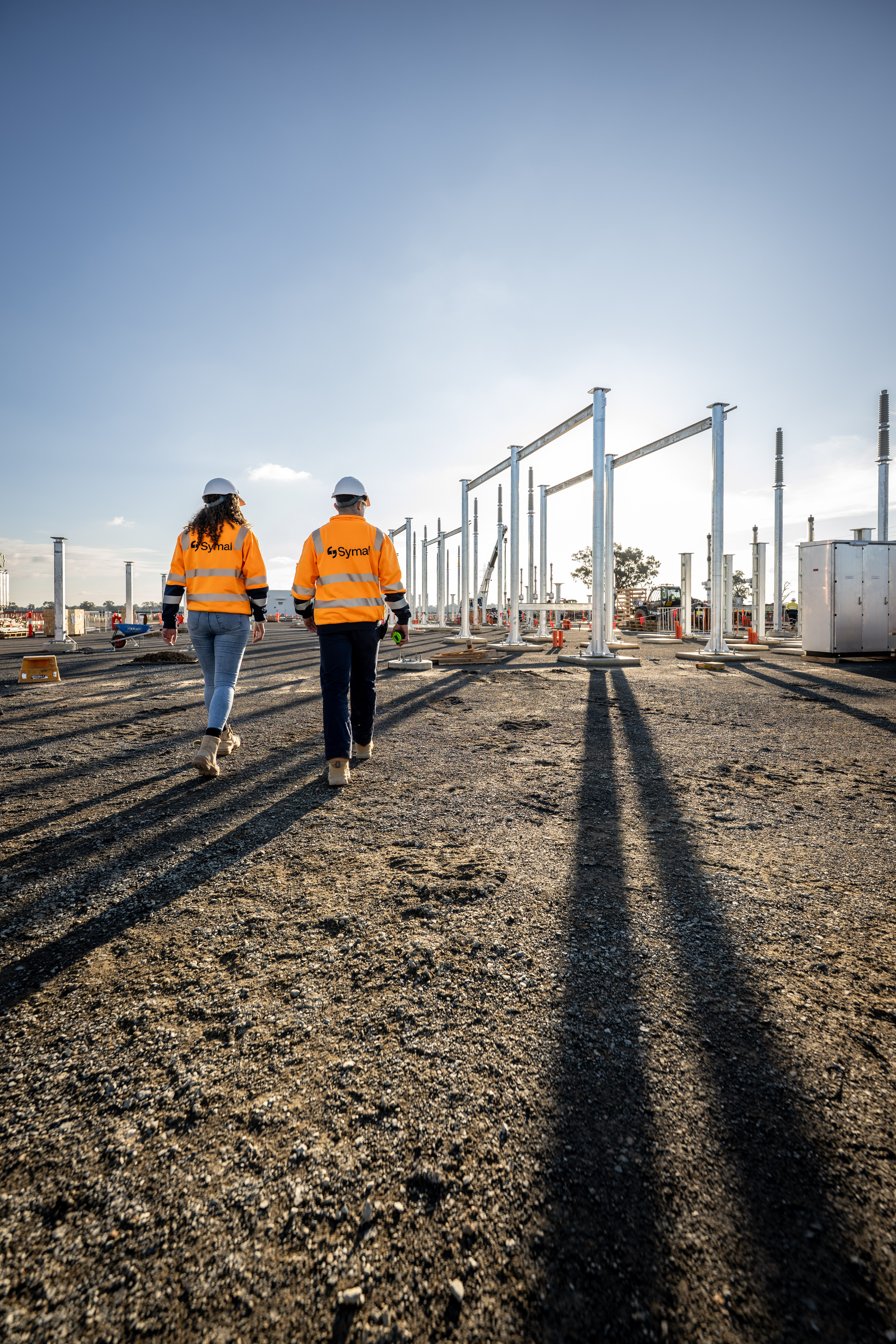
Running this equipment on a live construction site is giving us sharper insights into what it takes to make EV plant viable at scale. We’re learning how charging fits into the daily grind, what electrical infrastructure is needed to keep things running, and how performance measures up to diesel when it comes to runtime, productivity and support.
Operators are responding positively, especially to the quieter, smoother experience. Crews are also keen to see how the equipment performs during longer shifts, variable ground conditions and different task types—valuable intel that will shape future planning and roll-out strategies.
This pilot isn’t just about testing new equipment - it’s about testing what’s possible. With the support of the Victorian Infrastructure Delivery Authority (VIDA), we’re putting low-carbon solutions to work on a major live infrastructure project, gathering the real-world insights that turn good intentions into smarter decisions, smoother operations and genuine emissions reductions.